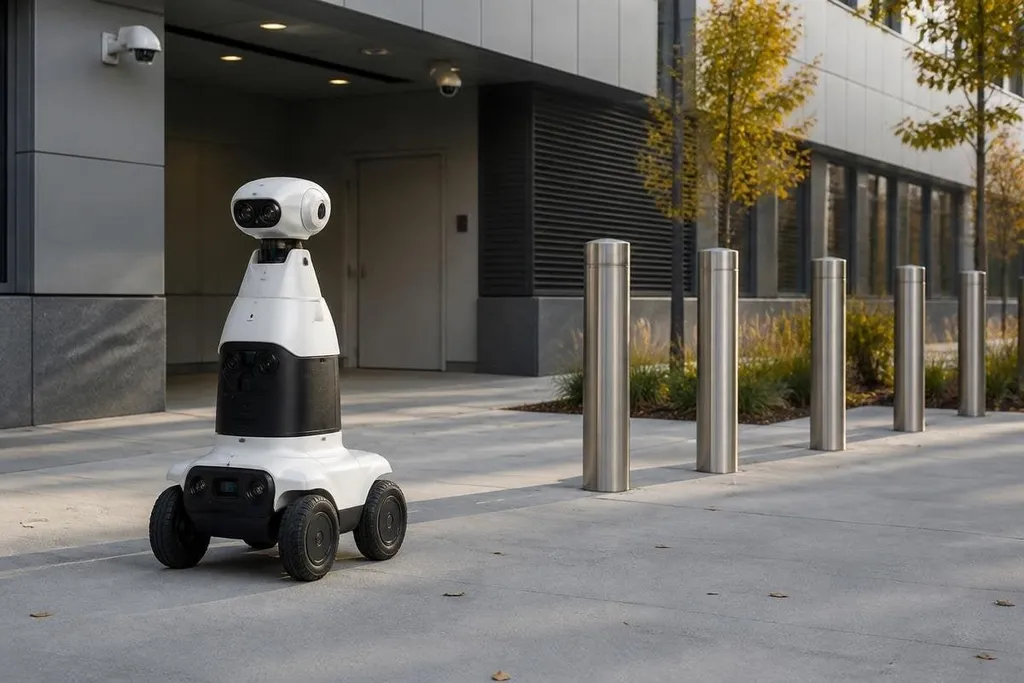
A surveillance robot can move through a site, record video, measure distance, and send alerts without a person beside it. The next stage will depend less on adding cameras and more on deciding where the robot may go, what it may record, and who can see the data.
Quick read
- Mobile robots can combine cameras, microphones, LiDAR, and software alerts.
- Remote control remains useful when the robot meets an object or scene it cannot read.
- A clear data policy matters as much as the robot’s sensors.
What these robots can do
The basic job is repeated observation. A robot can patrol a set route, inspect doors, watch restricted areas, or check equipment while a control system stores the results.
Cameras record visible scenes. LiDAR measures distance by sending out laser pulses and reading their return.
Microphones add sound, which can help identify alarms or unusual machine noise. Each sensor gives the robot a different view of the same place.
That data only helps when software can sort it. The system may flag a person in a restricted zone, a door left open, or an object blocking a route. A human then reviews the alert and decides what happens next.
This division of work matters. The robot handles movement and recording, while a person sets the response. A warning can start a check, but it shouldn't decide guilt, entry, or punishment by itself.
Where the hardware still struggles
Indoor spaces change. Boxes move, lights fail, doors close, and people walk through the robot’s route. Outdoor sites add rain, dust, glare, uneven ground, and weak network coverage.
Those conditions affect every sensor. A camera can lose detail in low light. LiDAR can return poor readings from some surfaces. A microphone may hear a real alarm beside ordinary equipment noise. The software still has to sort those signals without enough context.
Remote control fills part of that gap. A person can take over when the robot reaches a blocked path or a scene that needs judgment. That adds a worker to the process, along with a network link that can fail.
I’d treat an autonomous patrol as an extra set of sensors, not an independent security officer. That view keeps the robot useful without giving a software alert more authority than it has earned.
The data question
A surveillance robot changes the record of a place. A fixed camera may watch one view, while a mobile robot can move toward a sound, follow a route, or inspect a new area. The result can reveal more about people’s movements.
That makes the operating rules part of the system. A site needs a clear reason for each sensor, a set retention period, and a list of people who may review recordings. Workers and visitors also need to know where the robot operates.
A surveillance robot’s sensors, recording rule, and stated purpose should travel together in any report. Robot24.com robotics coverage can put those details beside the machine’s use, before a safety feed becomes a staff-monitoring file.
The hardest issue is often access. A recording may begin as a safety check and later get used for staff monitoring, law enforcement, or another purpose. Those changes should require a new decision, not a quiet setting change.
What buyers should test
A trial should use the real building and the real network. A smooth demo in an empty hall says little about a patrol route with doors, people, shadows, and signal loss.
Use this checklist before a purchase:
- Map the route: mark stairs, narrow paths, doors, blind spots, and places where the robot must stop.
- Test sensor limits: run checks in low light, loud areas, glare, dust, and rain when outdoor use is planned.
- Set human review: decide which alerts need a person and record who can approve a response.
- Check data storage: write down what gets saved, for how long, and where the files sit.
- Test a network loss: confirm how the robot stops, returns, or waits when its connection drops.
- Review access logs: check whether the system records who viewed or copied each recording.
These tests connect the machine to the job you need done. They also show the costs that a product page may leave out, such as staff time for alert review and network work across the site.
What comes next
The next useful step is better judgment around narrow tasks: checking a closed gate, spotting smoke, or sending a person to inspect a machine. Wider patrol powers need stronger rules because the robot’s reach grows with every added sensor and software update.
That leaves one open question for each site: what should the robot report, and what decision must stay with a person? The answer will shape surveillance robots more than another camera on the roof.