Understanding Topographical Surveys in Surrey and Sussex
A topographical survey is a crucial aspect of any land development or construction project, providing a detailed and accurate representation of the natural and man-made features of a parcel of land. These surveys help in understanding the terrain’s contours, elevation, and existing structures, ensuring that development plans align with the landscape’s requirements. Whether you’re a developer, architect, or engineer, understanding the value of Topographical surveys Surrey and Sussex can guide you through the complexities of land development in these regions.
What is a Topographical Survey?
A topographical survey, also known as a land survey, terrain survey, or topo survey, is a comprehensive mapping process that captures both natural and artificial features within a designated area. This includes details on elevations, land contours, vegetation, buildings, roads, and any other significant features that could influence planning and development decisions. By generating a scale-based representation, surveyors provide critical data for architects, engineers, and planners who require precise information for their designs.
Importance of Topographical Surveys
Topographical surveys serve various essential purposes in the construction and planning industry. They are vital for:
- Creating accurate designs based on existing terrain features.
- Identifying potential hazards such as flood zones or unstable ground.
- Supporting planning applications with comprehensive site data.
- Preventing costly errors during construction due to misinterpretation of site conditions.
- Clarifying property boundaries and aiding in legal documentation.
Who Requires a Topographical Survey?
Topographical surveys are required by a wide range of professionals involved in land development. This includes:
- Architects who need precise site data for effective design.
- Engineers who must understand the terrain for infrastructure projects.
- Developers looking to acquire or develop land.
- Landscape architects designing gardens and parks.
- Local authorities requiring surveys for planning applications.
Equipment and Techniques Used in Topographical Surveys
Modern Surveying Equipment Available
To ensure accuracy and efficiency, topographical surveys utilise cutting-edge technology and instrumentation. Common equipment includes:
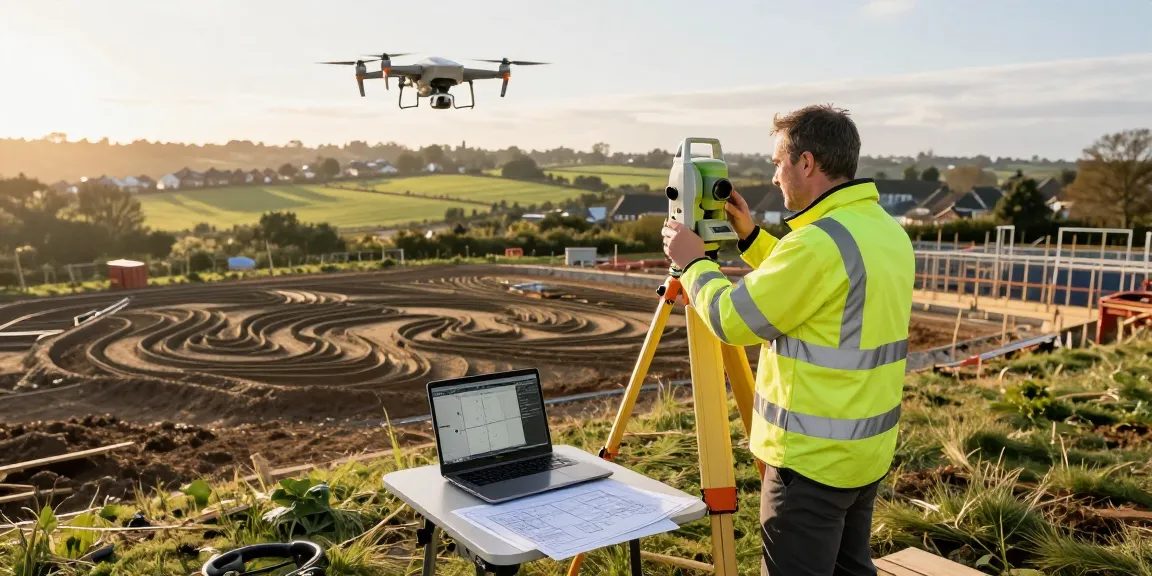
- Total Station Instruments: Combining the functions of a theodolite with electronic distance measurement, total stations measure angles and distances precisely.
- GPS Surveying Equipment (GNSS): This technology facilitates rapid and accurate point positioning, especially in expansive rural areas.
- 3D Laser Scanners (LiDAR): LiDAR technology enables the capturing of millions of data points per second, allowing for detailed 3D modelling of complex terrains.
- UAVs (Drone Surveys): Drones equipped with high-resolution cameras and photogrammetry software offer aerial mapping capabilities, particularly for hard-to-reach areas.
- Digital Level Instruments: Used for assessing vertical height changes, they provide crucial information for spot height and contour surveys.
Topographical Survey Methods Explained
The methods utilised in topographical surveys vary depending on the project requirements and site conditions. Some common techniques include:
- Ground Surveys: Using traditional methods, surveyors measure distances, angles, and elevations directly onsite.
- Photogrammetry: This method involves using photographs taken from different angles to create accurate 3D models of the terrain.
- Laser Scanning: Applying laser scanners can efficiently gather data over large areas in reduced timeframes.
The Role of Technology in Accurate Surveys
Modern technology plays a pivotal role in enhancing the accuracy and efficiency of topographical surveys. The integration of advanced tools has significantly reduced human error, enabling surveyors to deliver high-quality data quickly. Furthermore, the use of software for data analysis and presentation ensures that clients receive actionable information tailored to their specific needs.
Benefits of Conducting Topographical Surveys
Supporting Planning Applications
Local authorities require topographical surveys as part of the planning application process. These surveys support developers in demonstrating how their proposed developments align with environmental and zoning regulations.
Identifying Site Constraints and Hazards
Topographical surveys help identify potential issues such as elevation changes, flood zones, and unstable grounds, which could pose risks during construction. This allows for proactive planning and mitigation strategies to be implemented.
Saving Costs through Accurate Data
Investing in a topographical survey can save expenses in the long run. By starting a project with precise data, developers can avoid costly mistakes, reworks, and delays that arise from inaccurate or incomplete site information.
Understanding Survey Reports and Deliverables
What’s Included in a Topographical Survey Report?
A comprehensive topographical survey report typically includes a detailed map of the site, highlighting key features such as:
- Elevation points and contours
- Existing structures and utilities
- Vegetation and land features
- Property boundaries
Formats for Deliverables and Their Uses
Survey deliverables can be tailored to meet the client’s needs. Common formats include:
- CAD Integration: Deliverables formatted for CAD software are crucial for architects and engineers.
- BIM Modelling: Survey data can be integrated into Building Information Modelling systems for enhanced project management.
- Site Analysis Reports: Simplified reports for stakeholders or planning authorities summarising key findings.
Interpreting Survey Data for Best Outcomes
Understanding how to interpret survey data is crucial for making informed decisions in the planning stages. Engaging with professionals who can provide insights into how the survey data impacts site development will maximise the benefits of the topographical survey.
Costs and Considerations for Topographical Surveys
Pricing Models for Different Project Types
The cost of a topographical survey can vary widely based on the project type and complexity. As a general guide:
- Small residential plots may start from £450 to £750.
- Large commercial or infrastructure projects can range from £1,500 or more.
Factors Influencing Survey Costs
Several factors can influence the overall cost of a topographical survey, including:
- The size and complexity of the site
- The level of detail required in the report
- Accessibility of the site
- Regulatory requirements specific to the locale
Where to Get Quotes and Estimate Timing
For precise quotes and timing estimates, it is advisable to contact professional surveying firms directly. Most firms offer free initial consultations and can provide tailored pricing based on site specifics.
How can Topographical Surveys Support Property Transactions?
Topographical surveys are instrumental in real estate transactions by clarifying property boundaries, identifying land features, and mitigating any legal disputes over land claims. Having accurate survey data can enhance buyer confidence and streamline the transaction process.
Why Choose a Professional Surveyor in Surrey and Sussex?
Engaging with a professional surveyor brings multiple advantages, including local knowledge of planning regulations, access to modern surveying technology, and the ability to deliver detailed and actionable survey reports. Qualified surveyors ensure that all conducted surveys meet the legal and professional standards required in the UK.